Channelopathy : an important issue for those
with Myalgic Encephalomyelitis.
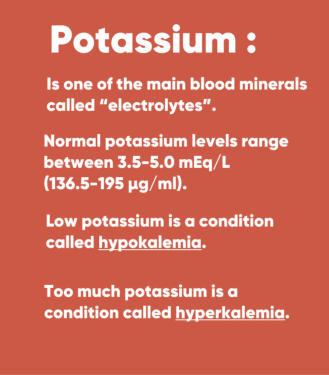
“Stop what you are doing right now and be prepared to lose all possibility, all plans, all intention, all the things you take for granted. ” Linda Crowhurst (2016) This is what happens each time paralysis repeatedly strikes. We are extremely concerned that paralysis is not treated as if it is part of ME today. Paralysis, a recognised part of Myalgic Encephalomyelitis is generally ignored, down played, disrespected or treated as not real. Who is treating or researching or taking paralysis seriously as a fundamental symptom especially in Severe ME? We know of no one to turn to who can help and advise and support the detailed investigation needed for this particularly devastating symptom. Living tortured, isolated, neglected lives of silent agony on the furthest edges of existence, people with a Severe ME diagnosis are some of the most tormented and isolated, neglected people in the UK. Their illness is a trauma and a tragedy. The clinical expertise they need to treat them is currently not being provided. The most severely ill suffer indescribably, their quality of life is worse than most illnesses imaginable (Hvidberg et al 2015), particularly because deterioration can be instant, unpredictable and severe, following even the slightest interaction or intervention. The disease goes on for decades and decades, without resolution or proper recognition. It has always struck us as odd that with clinical evidence of widespread neuroinflammation in the brain of patients with ME, associated with the severity of symptoms, (Jason et al 2015) no medical professional has ever investigated this in my profoundly ill wife. You would think that research would be a key way forward, but it seems to us, when you look at the state of ME medical research, these things become very clear : • there is no consensus on who is being researched • there is no consistency of research • there is little or no repetition of research to gain confirmation of results • there is very poor and variable criteria used, based primarily on a fatigue focus, • there is no consistency of cohorts • there is no way of reliably knowing if the people in the research group have the same disease or the same one as you anyway and no way of knowing if any potential treatment protocol is even safe to try, because no one really knows what you, specifi- cally, have got, because they simply haven't asked the right questions, done the right investigations or looked specifically at you and listened to the much needed detail and of paramount importance, there is no diagnostic test • there is little to no research on the most severely ill • there is no adequate clarity or overview of the disease, which is perhaps one reason why paralysis is ignored, despite being identified as a primary symptom in the outbreak literature : “Broadly speaking, the epidemic cases have fallen into two groups: patients with definite localised muscular paresis, and those without.” (Acheson 1959) The medical community, as we see it does not adequately investigate or explain paralysis. So what hope is there of the person diagnosed with very Severe ME of getting their paraly- sis acknowledged, let alone treated? We conducted our own study ( Crowhurst & Crowhurst 2013), it shocked us when we discovered how many others also suffer from paralysis. The study (n=46) showed that the most se- verely affected may experience regular total body paralysis, partial muscle, limb and body paralysis, transiently during the day and /or totally, following sleep. Paralysis : • can be occasional, repeated daily or weekly • is erratic and unpredictable, • may be accompanied by severe to extreme pain • cannot be broken out of at will • is completely incapacitating Even some of those less severely affected reported some paralysis or “getting stuck”. Further, the paralysis, whilst apparently transient, can remain for whole blocks of time, ranging from a few minutes, hours, days, weeks to months and in one instance for nearly a year. The paralysis can impact breathing, swallowing and speech. For anyone in these circumstances, daily living becomes immensely complex especially as movement and communication are affected. (Crowhurst & Crowhurst 2013) So how can paralysis in ME be so ignored and dismissed as almost trivial, something just to get on with by yourself or dismissed as not true paralysis, possibly because it is not nerve paralysis in the traditional sense? My wife's paralysis has evolved into new nightmare realms in the last 6 years, she is driven literally into a darkened pit of existence by every single noise, big and small, near or far, potentially triggering what feels like a horrendous body assault, as the paralysis kicks in violently, suddenly and unexpectedly, mostly without warning, throwing her into a dark and empty physical world where she : • overheats • becomes intensely numb • loses her ability to feel or move or communicate • experiences an increase in her already intense pain • collapses with muscles feeling extremely weak and flaccid • loses her ability to think and comprehend or effectively communicate • paralyses partially or totally for hours repeatedly through day and night • may have difficulty swallowing or opening her lips and jaw • may experience painful gastroparesis or where she repeatedly wakens into total body paralysis unable even to open her eyes or move her fingers or toes even. The paralysis twists her body sometimes in awkward positions for hours on end, it in- creases her hypersensitivities to light, noise, chemicals, touch, movement and motion, still further and shuts her mind down in an intense cognitive blankness, weakening her muscles long after the paralysis has shifted, diminishing and blacking out her vision, destroying her life repeatedly. For someone like this, leaving her without clinical input because she is too ill to attend hospital, is appalling. It is not, cannot be, the only option for the rest of her life now, to live in pain filled empti- ness, while the world goes on without her in it, for decades. Paralysis has dominated our life together for well over two decades now, yet been dis- missed continually and overlooked, even when tests could possibly have been tolerated in the past and could at least have been recommended. There must be real answers. There must be physiological mechanisms at play here. She can feel them triggering and shifting within her. This is very real, flaccid muscle paralysis. Given that the original presumption of an enterovirus, similar to or following on from Polio, is the root cause of ME, why is there such a difference in medical and clinical response to the two diseases? It is of interest and concern that paralysis, such a profound symptom, has been taken seriously in the past, for example, in Polio and is taken seriously today in other diseases, for example Lyme, Multiple Sclerosis, Stroke, Brain Injury, Post Polio Syndrome (Christopher and Danna Reeve Foundation), apart from ME. Post Polio Syndrome, a poorly understood condition (NHS 2015), emerged with the eradica- tion of Polio; there was still the emergence of Post polio symptom some 15 - 40 years later, after an initial infection in childhood. So for those who are old enough to have possibly had polio as a child, and what is interest- ing is that apparently 72% of children were asymptomatic( CDC), so may not even have known if they had had it or some only had a sore throat, presumably they might fit in this category of post polio syndrome quite easily, without realising it? Perhaps some people with ME, might then have something similar or the same symptoms of post polio; muscle weakness and paralysis? How can we ever know if we are not properly tested? Why did they stop using the VP1 blood test to identify ME patients, the only test specifically developed for ME when it was being taken more seriously? The VP1 was not specific regarding which enterovirus a person had, but did, we under- stand, identify those who would develop or have ME. It is a travesty that it is not used today in the UK to identify and separate people with ME from generalised widely defined CFS. Further research into Polio finds that the enterovirus attacks the motor nerves and destroys them in the brain stem and the anterior horn, according to the CDC, causing flaccid muscle paralysis. Perhaps that is similar for the enterovirus in ME? It seems common sense to us, that the enterovirus could work similarly in the brain in ME. Without investigation, how can anyone know? Having been treated by neurology as if my wife's experience and reality were irrelevant, we finally discovered that paralysis can be the result of something other than nerve damage. It can be related directly to the muscles, to a defect in the ion channels (St Luke’s Health System), a channelopathy, called Periodic Paralysis which is classified by the WHO (G72.3) as a disease of the nervous system, sub- categorised as a disease of the myoneural junction. ( Wikipedia) Muscle function depends upon the correct ratio of sodium and potassium ions, inside and outside the cells. If that ratio becomes unbalanced, muscles respond less when asked to move, which may be experienced as weakness or the mus- cle quits responding at all, i.e. is paralysed. (Periodic Paralysis International ) Anyone exhibiting hyperkalemia (high potassium levels above 5) or hypokalemia (low potassium below 3.5) should be investigated for a range of possible causes. In Channelopathy there is periodic fluctuation, linked to the cellular compartments and the ion channels. For other causes, such as kidney disease, it would be more constant, we understand.Channelopathy
Channelopathy is a complex subject, existing both in primary forms - with several identified genes for potassium, calcium, chloride and sodium channels, already recognised, as causing paralysis though not all genetic mutations are known and also in secondary acquired forms, without the primary genetic identification. Ion channels, critical to the functioning of virtually every tissue in the body, have only been discovered fairly recently; mutations of those ion channels are now recognised to affect a wide range of organs and to represent a substantial disease burden. Many diseases have been linked to selected channelopathies including diabetes mellitus, dilated cardiomyopathy and cystic fibrosis. (Phoenix Rising 2012) Every ME case definition concludes that PEM is an essential feature of ME; a small but compelling literature, accord- ing to Jason (2015), shows “ that PEM may involve channelopathies”. Surely a channelopathy, causing flaccid muscle paralysis could underpin my wife's own paralysis or presumably anyone with an ME or ME/CFS diagnosis? A disease can manifest dependent on which channels malfunction, it can involve just one ion or any combination of two or more. Ion lev- els can be too low, too high, not in the correct ratios, present in the blood stream but not in the cell and vice versa. The specific ions involved with these malfunc- tions are sodium, calcium, chloride and potassium. (Kilcoyne 2013) Insults from organophosphates, lead, insecti- cides and pesticides can alter ion channel activity. Toxins can be key ion channels dis- rupters because they often attack the membrane surrounding the cell, while some toxins can even create new channels, causing severe ionic imbalance. (Phoenix Rising) There is overwhelming evidence that ion chan- nel disorders underpin many forms of neurological disease. (Kullmann and Waxman 2010) Channelopathies, particularly a potassium channelopathy, have been considered as a possible underlying cause of “CFS” by the neurologist Prof Chaudhuri and separately by de Merhlier( 2001 ) Chaudhuri performed some initial research, apparently without conclusive findings, but some indications that a channelopathy could be underlying ME. We are left wondering : • If any of the participants actually experienced flaccid, intermittent paralysis and muscle weakness, not just fatigue? • What level of severity of illness the participants actually had? • Whether paralysis was not considered and thus not a key symptom of those involved in the trial? We have been unable to find this information out but would welcome any knowledge of this detail. Is the underlying physiology of ME, then, an acquired channelopathy that has not been formally identified yet or further conclusively pursued ? This seems possible, given that channelopathies can cause fatigue, weakness as well as full flaccid paralysis and myotonia. The focus in ME today is primarily on fatigue, but interestingly fatigue is considered to be recognised as a mild form of Periodic Paralysis, underpinned by the various channelopathies. Chaudhuri appears to have believed a potassium ion channel to be likely involved in ME, in which case, it is a tragedy that not much more research appears to have been done. There is further evidence from research by Nijs et al ( 2003) of a possible calcium channelopathy. And interestingly a calcium channel underlies hypokalemic ( low potassium readings) Periodic Paralysis. ( Hannah 2008) Is a channelopathy an ignored, not fully explored breakthrough explanation of the physio- logical mechanism at play, in Myalgic Encephalomyelitis, that would once and for all negate the ridiculous psychosocial interpretation and treatment pathways? Could it help put an end to the negation, downplaying, denial, medical and clinical neglect and decades of tormented, agonising illness, for some at least? What are the possibilities of the paralysis being caused by an underlying channelopathy? As we understand it, the person with paralysis could potentially be being misdiagnosed as having ME, whilst actually having a rare genetic disease called Periodic Paralysis.This could be a primary channelopathy. Or perhaps they might have an already recognised acquired channelopathy, which would be considered a secondary channelopathy. Or we hypothesise that ME could have an underlying channelopathy itself? In Periodic Paralysis, fatigue is apparently the first stage and may never fully manifest as full paralysis; with the potassium, sodium, chloride and calcium channels affected and potassium repeatedly out of balance between the blood and the muscles, due to faulty ion channels in the muscles, there may be exhaustion and muscle weakness . (Hannah 2008) Today people still do not have the level of investigation or input required to support and help them once diagnosed with ME in order even to understand the torrent of symptoms they experience with adequate medical explanation or get help in alleviating them. Sadly the list of very severely affected people who die, keeps growing. Detailed neuropathology studies, for example into Alison Hunter’s symptoms, who died in 1996, have reported “abnormal disabling fatigue, transient loss of consciousness (“black- outs”), loss of control over electrolyte balance and unexplained tissue oedema.”(Hunter (2) 2016) Yet she “bore the brunt of ignorance and cruel misjudgements which left her utterly crushed.”(Hunter (1) 2016) Sadly she died without the proof and medical understanding of the terrible physical suffering she experienced. The recorded electrolyte imbalance seems particularly relevant, in relation to the new insight into channelopathy and paralysis.Periodic Paralysis
Tragically, patients are irresponsibly and inappropriately falling into an MUS, Medically Unexplained Symptom category (Norwegian ME Association 2010), because of a predomi- nant fatigue focus that denies thorough investigation. However, open the door to Periodic Paralysis, understand there is possibly a channel malfunction, learn that your potassium is going up, known as hyperkalemia or down, known as hypokalemia or up and down, known as Anderesen Tawil syndrome or even just shifting within normal range, known as Normokalemic periodic paralysis, suddenly you are not MUS. (cf Hannah 2008) You have a channelopathy: a faulty ion channel. And it might be Primary ( genetic) or Secondary ( acquired) Now you need to know which one and what is specifically happening in your own muscles. There are other forms also : • Thyrotoxic Periodic Paralysis is associated with hyperthyroidism. • Paramyotonia Congenita is due to a different ion channel, a sodium channel, being faulty. Your post- exertional fatigue becomes genuine exercise intolerance and the underlying reason is potassium shifting, your hypersensitivity to light, sound, touch, chemicals, become sensory overload and the underlying reason is potassium fluctuating. You have food sensitivities, such as carbohydrates, sugar or high potassium foods and the underlying rea- son is possibly potassium shifting. You have muscle weakness and yes, you guessed it, it's because of the potassium constantly shifting in and out, because of the potassium or other ion channels not working correctly. Stress, you find out, causes adrenalin to surge and no surprises here, that also causes potassium to shift and pushes you into full blown paralysis, because you have a faulty ion channel or sometimes, it is expressed as just extreme muscle weakness, rather than full or par- tial paralysis. You even have explainable fatigue! Because mild Periodic Paralysis is experienced as fatigue. This is just incredible to us; the difference that an identified physiological cause underpinning paralysis can make to perception and medical respect. So suddenly you can answer the question, " Why is this happening to me?" and the answer makes sense of your experience, which no one has bothered to consider before; it is potassium. The important thing to understand is that you don't just have too much or too little potas- sium. It is just in the wrong place at the wrong time in Primary Periodic Paralysis. Either it's too high in your blood or in your muscle, the balance is wrong so the muscles cannot work, because of faulty channels and that leads to flaccid muscle paralysis. Paralysis can be found to be: • partial • in a muscle or group of muscles • in a limb • one sided • whole body • Stomach • facial palsy The paralysis may vary each time it occurs or may be dependent on which trigger causes it to manifest. It is important to try and identify the triggers as they may be different for each person and which channelopathy underpins it. For some people it may happen : • after exercise or overuse of muscles • after sleep • resting • just sitting still too long • getting too cold or too hot • just eating too much of the wrong food, like carbohydrates or sugar or high potassium foods • due to stress, because of the adrenalin impact Even if you do not have a primary, genetic mutation causing muscle weakness and repeated paralysis, perhaps you could have a secondary, acquired channelopathy. Both hypo- and hyperkalemia of any origin can result in muscle weakness or paralysis, with the patient remaining weak until the underlying cause of potassium alteration is identified and treated. (Fialho & Hannah 2007) The secondary Periodic Paralyses have distinct differences to Primary Periodic Paralysis however, they tend to have both much higher and lower Potassium readings. They may be triggered by various causes: • endocrine system (ie hypo and hyper aldosteronism) • drugs ( ie excess potassium sparing diuretics) • poisoning ( ie toluene and cadmium) • gastro- intestinal ( ie excessive vomiting, diarrhea) We understand that environmental toxins or certain viral infections, could also result in channelopathies, leading us to wonder whether ME is in fact a potential channelopathy too? (Phoenix Rising )Hope for people suffering repeated paralysis
Does any of this sound familiar to you? It might, if you have had periodic repeated paralysis over decades without any explanation and been fobbed off repeatedly by neurolo- gists not interested in pursuing it properly. And it's not just potassium channels, there are calcium and sodium channels, all with different gene mutations that can cause Peri- odic paralysis. Suddenly everything makes new sense, if only you can find out whether and what form of channelopathy you might have and what measurable figure of potassium that your paralysis kicks in at, because it can vary. There is a whole world of justified states here all provable, though not all yet identified requiring medical investigation, advice and recommendation because it ultimately can affect muscles, the heart and other organs and do permanent damage, even lead to death. This is however a specialist subject and you need to find someone who understands it in depth. It is important to know that not all genetic forms have been identified in Primary Periodic Paralysis. So we ask : • Why aren't people who experience repeated paralysis with an ME diagnosis, being checked out for this, as standard procedure, to see if it could be a primary or sec- ondary channelopathy, especially when the illness continues for so long? • Why are people left house and bed bound without adequate explanation or ongoing clinical support? Or investigated seriously enough for the severe and specific symp- toms they are manifesting? • Why aren't they being automatically referred to centres that test for this and know about it? • Why is it so hard to get the explanations and referrals people actually need? • Why are people just being referred, unsafely and unimaginatively, to fatigue clinics where CBT and GET and activity management are the techniques on offer? Or left without anything or misdiagnosed with conversion disorder or generalised fatigue conditions? People should surely be given the respect of investigation and explanation of their very real paralysis, not dismissal and left with nothing, for decades, especially once the the illness goes on and on. Though we also recognise that once you are very severely affected testing may be completely out of reach or requires imaginative service response. People need to know if they have been misdiagnosed or have missed a diagnosis. If with ME it could be identified that you have a channelopathy, we believe there is new hope for some. At least people might be safer if it were identified! At least there could be more recognition and help, new ideas, new research? Why, as ever, has this important research not been followed up, to definitely confirm or rule out this important issue, for people diagnosed with ME, especially on those most likely to show up the channelopathy, the ones who are actually exhibiting paralysis? It just makes no medical sense. If ME's core mechanism could be a channelopathy, why are we still waiting to know? As this diagram shows, people are currently left in ME world with nothing, whilst people with a firm Periodic Paralysis diagnosis, experiencing very similar, if not the same, symp- toms, can be given proper medical explanations, recognition and potentially hope or at least the respect of a clinically recognised disease and possible treatment options and ongoing support.Conclusion
To be clear, there appear to be three possible options in which a channelopathy might underpin paralysis in someone with an ME or CFS diagnosis. Either there might be a missed diagnosis or a misdiagnosis of a primary, genetic chan- nelopathy at play, which should have been identified or there might be a secondary acquired channelopathy at play, which could also presumably be identified or thirdly, ME itself could have a channelopathy at its core, it could be an acquired channelopathy, which has not to our knowledge, been pursued rigorously enough, given some people with ME do experience periodic muscle weakness and flaccid muscle paralysis. It has taken twenty- three years to gain this level of clarity, for us, yet sadly our research and investigation has not been driven, illuminated or suggested by clinicians or clinical input, rather it has come out of a desperate, personal need to understand the damage, the harm done and the increasing worsening of ignored paralysis which my wife experiences with each passing year. It has also been helped by the support of our GP who has stood by us down the years, trying to help us figure things out. We all deserve more. We all, with paralysis, deserve much better! With special thanks to all those who have reached out and helped in our understanding of Periodic Paralysis.Disclaimer :
We are not medical professionals, just two people searching for solutions. Please note that Stonebird cannot be held accountable for any damages or actions arising as a result of this article, which is only for information purposes. If there are any errors, please do let us know. Thank you. © Stonebird 2017References
Acheson E.D.(1959) The Clinical Syndrome Variously Called Benign Myalgic En- cephalomyelitis, Iceland Disease and Epidemic Neuromyasthenia http://www.name- us.org/defintionspages/DefinitionsArticles/Acheson1959.pdf CDC Pink Book - Polio - Centers for Disease Control and Prevention https://www.cdc.gov/vaccines/pubs/pinkbook/downloads/polio.pdf Chaudhuri, A. and P. Behan. 1999. Chronic fatigue syndrome is an acquired neurological channelopathy. Hum. Psychopharmacol Clin Exp. 14, 7-17. Chia JK, Chia AY.(2008) Chronic fatigue syndrome is associated with chronic enterovirus infection of the stomach. Comment in: J Clin Pathol. 2008 Jan;61(1):1-2. Christopher and Danna Reeve Foundation Causes of paralysis https://www.christopherreeve.org/living-with-paralysis/health/causes-of-paralysis Crowhurst G, Crowhurst L (2013) Paralysis, a qualitative study of people with Severe Myalgic Encephalomyelitis http://www.stonebird.co.uk/Paralysis%20Study.pdf Crowhurst L(2016) Severe ME : contemplate paralysis if you can http://carersfight.blogspot.in/2016/09/severe-me-contemplate-paralysis-if-you.html de Meirleir(2001) Research paper presented by Kenny de Meirleir (Brussels, Belgium) to The Sydney ME Clinical and Scientific Conference, December 2001 http://www.margaretwilliams.me/2002/overview-sydney-conference_dec2001.pdf Fialho & Hannah 2007 Periodic paralysis Handbook of Clinical Neurology, Vol. 86 (3rd series) Myopathies http://citeseerx.ist.psu.edu/viewdoc/download?doi=10.1.1.617.5916&rep=rep1&type=pdf Hannah MG (2008) Periodic Paralyses http://www.rjah.nhs.uk/RJAHNHS/files/28/2818c973- 44c7-4cc1-8fa0-2048869274b6.doc Hvidberg MF et al (2015) The Health-Related Quality of Life for Patients with Myalgic Encephalomyelitis / Chronic Fatigue Syndrome (ME/CFS) Michael Falk Hvidberg,Louise Schouborg Brinth, Anne V. Olesen, Karin D. Petersen andLars Ehlers PLoS One. 2015; 10(7): e0132421.Published online 2015 Jul 6. doi: 10.1371/journal.pone.0132421 Hunter C (1) (2016) Remembering Alison Hunter 1976 – 1996 https://meaustralia.net/2016/12/01/remembering-alison-hunter-1976-1996/ Hunter C (2) (2016) Case report: Alison Hunter https://meaustralia.net/2016/12/13/case- report-alison-hunter/ Jason et al (2015) Myalgic Encephalomyelitis: Symptoms and Biomarkers https://www.ncbi.nlm.nih.gov/pmc/articles/PMC4761639/ Kilcoyne M (2013) Ion Channelopathy http://www.defeatcfs.net/further-lessons.html Kullmann D and Waxman S.G.(2010) Neurological channelopathies: new insights into disease mechanisms and ion channel function.June 1, 2010 The Journal of Physiology, 588, 1823-1827.http://jp.physoc.org/content/588/11/1823.full NHS (2015) Post-polio syndrome http://www.nhs.uk/conditions/Polio-and-post-polio- syndrome-/Pages/Introduction.aspx Nijs J et al (2003) Monitoring a Hypothetical Channelopathy in Chronic Fatigue Syndrome: Preliminary Observations http://www.investinme.org/Documents/PDFdocuments/CanadianDefinitionME-CFS.pdf Norwegian ME Association(2010) Reasons why ME Does Not Belong to the MUS Category…and So Forth http://www.investinme.org/InfoCentre-Library-JIiME-02-02-NMEA- MUPS.htm Periodic Paralysis International Hypokalemic Periodic Paralysis FAQ http://hkpp.org/patients/hypokpp-FAQ Phoenix Rising (2012) A Neurological Channelopathy in Chronic Fatigue Syndrome (ME/CFS) ?http://phoenixrising.me/research-2/the-brain-in-chronic-fatigue-syndrome- mecfs/a-neurological-channelopathy-in-chronic-fatigue-syndrome-mecfs Richardson J (2000) Four cases of pesticide poisoning, presenting as “ME,” treated with choline and ascorbic acid mixture. Journal of chronic fatigue syndrome. 2000;6(2):11-21. St Luke’s Health System Periodic Paralysis https://www.saintlukeshealthsystem.org/health- library/periodic-paralysis Wikipedia https://en.wikipedia.org/wiki/ICD- 10_Chapter_VI:_Diseases_of_the_nervous_system#.28G70.E2.80.93G73.29_Diseases_of_myon eural_junction_and_muscle Williams M (2008) Documented involvement of Viruses in ME/CFS http://www.investinme.org/Article- 365%20Documented%20involvement%20of%20viruses%20in%20ME%20CFS.htm







Stonebird
Channelopathy : an
important issue for
those with Myalgic
Encephalomyelitis.
“Stop what you are doing right now and be prepared to lose all possibility, all plans, all intention, all the things you take for granted. ” Linda Crowhurst (2016) This is what happens each time paralysis repeatedly strikes. We are extremely concerned that paral- ysis is not treated as if it is part of ME today. Paralysis, a recognised part of Myalgic Encephalomyelitis is generally ignored, down played, disrespected or treated as not real. Who is treating or researching or taking paralysis seriously as a fundamental symptom especially in Severe ME? We know of no one to turn to who can help and advise and support the detailed in- vestigation needed for this particularly devastating symptom. Living tortured, isolated, neglected lives of silent agony on the furthest edges of existence, people with a Severe ME di- agnosis are some of the most tormented and isolated, neglected people in the UK. Their illness is a trauma and a tragedy. The clinical expertise they need to treat them is currently not being provided. The most severely ill suffer indescrib- ably, their quality of life is worse than most illnesses imaginable (Hvidberg et al 2015), particularly because deteriora- tion can be instant, unpredictable and severe, following even the slightest in- teraction or intervention. The disease goes on for decades and decades, with- out resolution or proper recognition. It has always struck us as odd that with clinical evidence of widespread neu- roinflammation in the brain of patients with ME, associated with the severity of symptoms, (Jason et al 2015) no medi- cal professional has ever investigated this in my profoundly ill wife. You would think that research would be a key way forward, but it seems to us, when you look at the state of ME medi- cal research, these things become very clear : • there is no consensus on who is being researched • there is no consistency of research • there is little or no repetition of research to gain confirmation of results • there is very poor and variable cri- teria used, based primarily on a fatigue focus, • there is no consistency of cohorts • there is no way of reliably knowing if the people in the research group have the same disease or the same one as you anyway and no way of knowing if any potential treatment protocol is even safe to try, because no one really knows what you, specifically, have got, because they simply haven't asked the right questions, done the right investiga- tions or looked specifically at you and listened to the much needed detail and of paramount impor- tance, there is no diagnostic test • there is little to no research on the most severely ill • there is no adequate clarity or overview of the disease, which is perhaps one reason why paralysis is ignored, despite being identified as a primary symptom in the out- break literature : “Broadly speaking, the epidemic cases have fallen into two groups: patients with definite localised muscular paresis, and those without.” (Ache- son 1959) The medical community, as we see it does not adequately investigate or ex- plain paralysis. So what hope is there of the person diagnosed with very Severe ME of getting their paralysis acknowl- edged, let alone treated? We conducted our own study ( Crowhurst & Crowhurst 2013), it shocked us when we discovered how many others also suffer from paralysis. The study (n=46) showed that the most severely affected may experience regu- lar total body paralysis, partial muscle, limb and body paralysis, transiently during the day and /or totally, following sleep. Paralysis : • can be occasional, repeated daily or weekly • is erratic and unpredictable, • may be accompanied by severe to extreme pain • cannot be broken out of at will • is completely incapacitating Even some of those less severely af- fected reported some paralysis or “getting stuck”. Further, the paralysis, whilst apparently transient, can remain for whole blocks of time, ranging from a few minutes, hours, days, weeks to months and in one instance for nearly a year. The paralysis can impact breathing, swallowing and speech. For anyone in these circumstances, daily living becomes im- mensely complex especially as movement and communication are af- fected. (Crowhurst & Crowhurst 2013) So how can paralysis in ME be so ig- nored and dismissed as almost trivial, something just to get on with by yourself or dismissed as not true paralysis, possi- bly because it is not nerve paralysis in the traditional sense? My wife's paralysis has evolved into new nightmare realms in the last 6 years, she is driven literally into a dark- ened pit of existence by every single noise, big and small, near or far, poten- tially triggering what feels like a horrendous body assault, as the paraly- sis kicks in violently, suddenly and unexpectedly, mostly without warning, throwing her into a dark and empty physical world where she : • overheats • becomes intensely numb • loses her ability to feel or move or communicate • experiences an increase in her al- ready intense pain • collapses with muscles feeling ex- tremely weak and flaccid • loses her ability to think and com- prehend or effectively communicate • paralyses partially or totally for hours repeatedly through day and night • may have difficulty swallowing or opening her lips and jaw • may experience painful gastroparesis or where she repeatedly wakens into total body paralysis unable even to open her eyes or move her fingers or toes even. The paralysis twists her body some- times in awkward positions for hours on end, it increases her hypersensitivi- ties to light, noise, chemicals, touch, movement and motion, still further and shuts her mind down in an intense cog- nitive blankness, weakening her muscles long after the paralysis has shifted, diminishing and blacking out her vision, destroying her life repeatedly. For someone like this, leaving her with- out clinical input because she is too ill to attend hospital, is appalling. It is not, cannot be, the only option for the rest of her life now, to live in pain filled emptiness, while the world goes on without her in it, for decades. Paralysis has dominated our life to- gether for well over two decades now, yet been dismissed continually and overlooked, even when tests could pos- sibly have been tolerated in the past and could at least have been recom- mended. There must be real answers. There must be physiological mecha- nisms at play here. She can feel them triggering and shifting within her. This is very real, flaccid muscle paralysis. Given that the original presumption of an enterovirus, similar to or following on from Polio, is the root cause of ME, why is there such a difference in medi- cal and clinical response to the two diseases? It is of interest and concern that paraly- sis, such a profound symptom, has been taken seriously in the past, for example, in Polio and is taken seriously today in other diseases, for example Lyme, Mul- tiple Sclerosis, Stroke, Brain Injury, Post Polio Syndrome (Christopher and Danna Reeve Foundation), apart from ME. Post Polio Syndrome, a poorly under- stood condition (NHS 2015), emerged with the eradication of Polio; there was still the emergence of Post polio symp- tom some 15 - 40 years later, after an initial infection in childhood. So for those who are old enough to have possibly had polio as a child, and what is interesting is that apparently 72% of children were asymptomatic( CDC), so may not even have known if they had had it or some only had a sore throat, presumably they might fit in this cate- gory of post polio syndrome quite easily, without realising it? Perhaps some people with ME, might then have something similar or the same symptoms of post polio; muscle weakness and paralysis? How can we ever know if we are not properly tested? Why did they stop using the VP1 blood test to identify ME patients, the only test specifically developed for ME when it was being taken more seriously? The VP1 was not specific regarding which enterovirus a person had, but did, we understand, identify those who would develop or have ME. It is a trav- esty that it is not used today in the UK to identify and separate people with ME from generalised widely defined CFS. Further research into Polio finds that the enterovirus attacks the motor nerves and destroys them in the brain stem and the anterior horn, according to the CDC, causing flaccid muscle paralysis. Perhaps that is similar for the en- terovirus in ME? It seems common sense to us, that the enterovirus could work similarly in the brain in ME. With- out investigation, how can anyone know? Having been treated by neurology as if my wife's experience and reality were irrelevant, we finally discovered that paralysis can be the result of something other than nerve damage. It can be related directly to the muscles, to a defect in the ion channels (St Luke’s Health System), a channelopathy, called Periodic Paralysis which is classified by the WHO (G72.3) as a disease of the ner- vous system, sub- categorised as a disease of the myoneural junction. ( Wikipedia) Muscle function depends upon the cor- rect ratio of sodium and potassium ions, inside and outside the cells. If that ratio becomes unbalanced, muscles respond less when asked to move, which may be experienced as weakness or the muscle quits responding at all, i.e. is paralysed. (Periodic Paralysis International ) Anyone exhibiting hyperkalemia (high potassium levels above 5) or hy- pokalemia (low potassium below 3.5) should be investigated for a range of possible causes. In Channelopathy there is periodic fluctuation, linked to the cel- lular compartments and the ion channels. For other causes, such as kid- ney disease, it would be more constant, we understand.Channelopathy
Channelopathy is a complex subject, ex- isting both in primary forms - with several identified genes for potassium, calcium, chloride and sodium channels, already recognised, as causing paralysis though not all genetic mutations are known and also in secondary acquired forms, without the primary genetic identification. Ion channels, critical to the functioning of virtually every tissue in the body, have only been discovered fairly re- cently; mutations of those ion channels are now recognised to affect a wide range of organs and to represent a sub- stantial disease burden. Many diseases have been linked to se- lected channelopathies including diabetes mellitus, dilated cardiomyopa- thy and cystic fibrosis. (Phoenix Rising 2012) Every ME case definition con- cludes that PEM is an essential feature of ME; a small but compelling literature, according to Jason (2015), shows “ that PEM may involve channelopathies”. Surely a channelopathy, causing flaccid muscle paralysis could underpin my wife's own paralysis or presumably anyone with an ME or ME/CFS diagnosis? A disease can manifest dependent on which channels malfunction, it can in- volve just one ion or any combination of two or more. Ion levels can be too low, too high, not in the correct ratios, present in the blood stream but not in the cell and vice versa. The specific ions involved with these malfunctions are sodium, calcium, chlo- ride and potassium. (Kilcoyne 2013) Insults from organophosphates, lead, insecticides and pesticides can alter ion channel activity. Toxins can be key ion channels disrupters because they often attack the membrane surrounding the cell, while some toxins can even create new channels, causing severe ionic im- balance. (Phoenix Rising) There is overwhelming evidence that ion channel disorders underpin many forms of neurological disease. (Kull- mann and Waxman 2010) Channelopathies, particularly a potas- sium channelopathy, have been considered as a possible underlying cause of “CFS” by the neurologist Prof Chaudhuri and separately by de Merhlier( 2001 ) Chaudhuri performed some initial re- search, apparently without conclusive findings, but some indications that a channelopathy could be underlying ME. We are left wondering : • If any of the participants actually experienced flaccid, intermittent paralysis and muscle weakness, not just fatigue? • What level of severity of illness the participants actually had? • Whether paralysis was not consid- ered and thus not a key symptom of those involved in the trial? We have been unable to find this infor- mation out but would welcome any knowledge of this detail. Is the underlying physiology of ME, then, an acquired channelopathy that has not been formally identified yet or further conclusively pursued ? This seems possible, given that chan- nelopathies can cause fatigue, weakness as well as full flaccid paralysis and myotonia. The focus in ME today is primarily on fatigue, but interestingly fatigue is con- sidered to be recognised as a mild form of Periodic Paralysis, underpinned by the various channelopathies. Chaudhuri appears to have believed a potassium ion channel to be likely in- volved in ME, in which case, it is a tragedy that not much more research appears to have been done. There is fur- ther evidence from research by Nijs et al ( 2003) of a possible calcium chan- nelopathy. And interestingly a calcium channel underlies hypokalemic ( low potassium readings) Periodic Paralysis. ( Hannah 2008) Is a channelopathy an ignored, not fully explored breakthrough explanation of the physiological mechanism at play, in Myalgic Encephalomyelitis, that would once and for all negate the ridiculous psychosocial interpretation and treat- ment pathways? Could it help put an end to the negation, downplaying, denial, medical and clini- cal neglect and decades of tormented, agonising illness, for some at least? What are the possibilities of the paraly- sis being caused by an underlying channelopathy? As we understand it, the person with paralysis could potentially be being mis- diagnosed as having ME, whilst actually having a rare genetic disease called Pe- riodic Paralysis.This could be a primary channelopathy. Or perhaps they might have an already recognised acquired channelopathy, which would be considered a secondary channelopathy. Or we hypothesise that ME could have an underlying channelopathy itself? In Periodic Paralysis, fatigue is appar- ently the first stage and may never fully manifest as full paralysis; with the potassium, sodium, chloride and cal- cium channels affected and potassium repeatedly out of balance between the blood and the muscles, due to faulty ion channels in the muscles, there may be exhaustion and muscle weakness . (Hannah 2008) Today people still do not have the level of investigation or input required to support and help them once diagnosed with ME in order even to understand the torrent of symptoms they experi- ence with adequate medical explana- tion or get help in alleviating them. Sadly the list of very severely affected people who die, keeps growing. Detailed neuropathology studies, for example into Alison Hunter’s symp- toms, who died in 1996, have reported “abnormal disabling fatigue, transient loss of consciousness (“blackouts”), loss of control over electrolyte balance and unexplained tissue oedema.”(Hunter (2) 2016) Yet she “bore the brunt of ignorance and cruel misjudgements which left her ut- terly crushed.”(Hunter (1) 2016) Sadly she died without the proof and medical understanding of the terrible physical suffering she experienced. The recorded electrolyte imbalance seems particularly relevant, in relation to the new insight into channelopathy and paralysis.Periodic Paralysis
Tragically, patients are irresponsibly and inappropriately falling into an MUS, Medically Unexplained Symptom category (Norwegian ME Association 2010), because of a predominant fatigue focus that denies thorough investigation. However, open the door to Periodic Paralysis, understand there is possibly a channel malfunction, learn that your potassium is going up, known as hyper- kalemia or down, known as hy- pokalemia or up and down, known as Anderesen Tawil syndrome or even just shifting within normal range, known as Normokalemic periodic paralysis, sud- denly you are not MUS. (cf Hannah 2008) You have a channelopathy: a faulty ion channel. And it might be Primary ( ge- netic) or Secondary ( acquired) Now you need to know which one and what is specifically happening in your own muscles. There are other forms also : • Thyrotoxic Periodic Paralysis is as- sociated with hyperthyroidism. • Paramyotonia Congenita is due to a different ion channel, a sodium channel, being faulty. Your post- exertional fatigue becomes genuine exercise intolerance and the underlying reason is potassium shifting, your hypersensitivity to light, sound, touch, chemicals, become sensory over- load and the underlying reason is potassium fluctuating. You have food sensitivities, such as car- bohydrates, sugar or high potassium foods and the underlying reason is pos- sibly potassium shifting. You have muscle weakness and yes, you guessed it, it's because of the potassium constantly shifting in and out, because of the potassium or other ion channels not working correctly. Stress, you find out, causes adrenalin to surge and no surprises here, that also causes potassium to shift and pushes you into full blown paralysis, because you have a faulty ion channel or some- times, it is expressed as just extreme muscle weakness, rather than full or partial paralysis. You even have explainable fatigue! Be- cause mild Periodic Paralysis is experienced as fatigue. This is just in- credible to us; the difference that an identified physiological cause underpin- ning paralysis can make to perception and medical respect. So suddenly you can answer the ques- tion, " Why is this happening to me?" and the answer makes sense of your experi- ence, which no one has bothered to consider before; it is potassium. The important thing to understand is that you don't just have too much or too little potassium. It is just in the wrong place at the wrong time in Primary Peri- odic Paralysis. Either it's too high in your blood or in your muscle, the balance is wrong so the muscles cannot work, because of faulty channels and that leads to flaccid muscle paralysis. Paralysis can be found to be: • partial • in a muscle or group of muscles • in a limb • one sided • whole body • Stomach • facial palsy The paralysis may vary each time it oc- curs or may be dependent on which trigger causes it to manifest. It is impor- tant to try and identify the triggers as they may be different for each person and which channelopathy underpins it. For some people it may happen : • after exercise or overuse of muscles • after sleep • resting • just sitting still too long • getting too cold or too hot • just eating too much of the wrong food, like carbohydrates or sugar or high potassium foods • due to stress, because of the adrenalin impact Even if you do not have a primary, ge- netic mutation causing muscle weakness and repeated paralysis, per- haps you could have a secondary, acquired channelopathy. Both hypo- and hyperkalemia of any origin can result in muscle weakness or paralysis, with the patient remaining weak until the underlying cause of potassium alteration is identified and treated. (Fialho & Hannah 2007) The secondary Periodic Paralyses have distinct differences to Primary Periodic Paralysis however, they tend to have both much higher and lower Potassium readings. They may be triggered by various causes: • endocrine system (ie hypo and hyper aldosteronism) • drugs ( ie excess potassium sparing diuretics) • poisoning ( ie toluene and cadmium) • gastro- intestinal ( ie excessive vomiting, diarrhea) We understand that environmental tox- ins or certain viral infections, could also result in channelopathies, leading us to wonder whether ME is in fact a poten- tial channelopathy too? (Phoenix Rising )Hope for people suffering
repeated paralysis
Does any of this sound familiar to you? It might, if you have had periodic re- peated paralysis over decades without any explanation and been fobbed off repeatedly by neurologists not inter- ested in pursuing it properly. And it's not just potassium channels, there are calcium and sodium channels, all with different gene mutations that can cause Periodic paralysis. Suddenly everything makes new sense, if only you can find out whether and what form of channelopathy you might have and what measurable figure of potas- sium that your paralysis kicks in at, because it can vary. There is a whole world of justified states here all provable, though not all yet identified requiring medical investi- gation, advice and recommendation because it ultimately can affect muscles, the heart and other organs and do per- manent damage, even lead to death. This is however a specialist subject and you need to find someone who under- stands it in depth. It is important to know that not all ge- netic forms have been identified in Primary Periodic Paralysis. So we ask : • Why aren't people who experience repeated paralysis with an ME di- agnosis, being checked out for this, as standard procedure, to see if it could be a primary or secondary channelopathy, especially when the illness continues for so long? • Why are people left house and bed bound without adequate explana- tion or ongoing clinical support? Or investigated seriously enough for the severe and specific symp- toms they are manifesting? • Why aren't they being automati- cally referred to centres that test for this and know about it? • Why is it so hard to get the expla- nations and referrals people actually need? • Why are people just being re- ferred, unsafely and unimagina- tively, to fatigue clinics where CBT and GET and activity management are the techniques on offer? Or left without anything or misdiagnosed with conversion disorder or gener- alised fatigue conditions? People should surely be given the respect of investigation and explanation of their very real paralysis, not dismissal and left with nothing, for decades, especially once the the illness goes on and on. Though we also recognise that once you are very severely affected testing may be com- pletely out of reach or requires imagina- tive service response. People need to know if they have been misdiagnosed or have missed a diagnosis. If with ME it could be identified that you have a channelopathy, we believe there is new hope for some. At least people might be safer if it were identi- fied! At least there could be more recognition and help, new ideas, new research? Why, as ever, has this important re- search not been followed up, to definitely confirm or rule out this im- portant issue, for people diagnosed with ME, especially on those most likely to show up the channelopathy, the ones who are actually exhibiting paralysis? It just makes no medical sense. If ME's core mechanism could be a channelopathy, why are we still waiting to know? As this diagram shows, people are cur- rently left in ME world with nothing, whilst people with a firm Periodic Paralysis diagnosis, experiencing very similar, if not the same, symptoms, can be given proper medical explanations, recognition and potentially hope or at least the respect of a clinically recog- nised disease and possible treatment options and ongoing support.Conclusion
To be clear, there appear to be three possible options in which a channelopa- thy might underpin paralysis in someone with an ME or CFS diagnosis. Either there might be a missed diagno- sis or a misdiagnosis of a primary, genetic channelopathy at play, which should have been identified or there might be a secondary acquired chan- nelopathy at play, which could also presumably be identified or thirdly, ME itself could have a channelopathy at its core, it could be an acquired chan- nelopathy, which has not to our knowledge, been pursued rigorously enough, given some people with ME do experience periodic muscle weakness and flaccid muscle paralysis. It has taken twenty- three years to gain this level of clarity, for us, yet sadly our research and investigation has not been driven, illuminated or suggested by clin- icians or clinical input, rather it has come out of a desperate, personal need to understand the damage, the harm done and the increasing worsening of ignored paralysis which my wife experi- ences with each passing year. It has also been helped by the support of our GP who has stood by us down the years, trying to help us figure things out. We all deserve more. We all, with paral- ysis, deserve much better! With special thanks to all those who have reached out and helped in our understanding of Periodic Paralysis.Disclaimer :
We are not medical professionals, just two people searching for solutions. Please note that Stonebird cannot be held accountable for any damages or actions arising as a result of this article, which is only for information purposes. If there are any errors, please do let us know. Thank you. © Stonebird 2017References
Acheson E.D.(1959) The Clinical Syn- drome Variously Called Benign Myalgic Encephalomyelitis, Iceland Disease and Epidemic Neuromyasthenia http://www.name- us.org/defintionspages/DefinitionsArticl es/Acheson1959.pdf CDC Pink Book - Polio - Centers for Dis- ease Control and Prevention https://www.cdc.gov/vaccines/pubs/pink book/downloads/polio.pdf Chaudhuri, A. and P. Behan. 1999. Chronic fatigue syndrome is an ac- quired neurological channelopathy. Hum. Psychopharmacol Clin Exp. 14, 7- 17. Chia JK, Chia AY.(2008) Chronic fatigue syndrome is associated with chronic enterovirus infection of the stomach. Comment in: J Clin Pathol. 2008 Jan;61(1):1-2. Christopher and Danna Reeve Founda- tion Causes of paralysis https://www.christopherreeve.org/living -with-paralysis/health/causes-of- paralysis Crowhurst G, Crowhurst L (2013) Paral- ysis, a qualitative study of people with Severe Myalgic Encephalomyelitis http://www.stonebird.co.uk/Paralysis%2 0Study.pdf Crowhurst L(2016) Severe ME : contem- plate paralysis if you can http://carersfight.blogspot.in/2016/09/se vere-me-contemplate-paralysis-if- you.html de Meirleir(2001) Research paper pre- sented by Kenny de Meirleir (Brussels, Belgium) to The Sydney ME Clinical and Scientific Conference, December 2001 http://www.margaretwilliams.me/2002/ overview-sydney- conference_dec2001.pdf Fialho & Hannah 2007 Periodic paraly- sis Handbook of Clinical Neurology, Vol. 86 (3rd series) Myopathies http://citeseerx.ist.psu.edu/viewdoc/dow nload?doi=10.1.1.617.5916&rep=rep1&t ype=pdf Hannah MG (2008) Periodic Paralyses http://www.rjah.nhs.uk/RJAHNHS/files/2 8/2818c973-44c7-4cc1-8fa0- 2048869274b6.doc Hvidberg MF et al (2015) The Health- Related Quality of Life for Patients with Myalgic Encephalomyelitis / Chronic Fatigue Syndrome (ME/CFS) Michael Falk Hvidberg,Louise Schouborg Brinth, Anne V. Olesen, Karin D. Petersen and- Lars Ehlers PLoS One. 2015; 10(7): e0132421.Published online 2015 Jul 6. doi: 10.1371/journal.pone.0132421 Hunter C (1) (2016) Remembering Ali- son Hunter 1976 – 1996 https://meaustralia.net/2016/12/01/reme mbering-alison-hunter-1976-1996/ Hunter C (2) (2016) Case report: Alison Hunter https://meaustralia.net/2016/12/13/case- report-alison-hunter/ Jason et al (2015) Myalgic En- cephalomyelitis: Symptoms and Biomarkers https://www.ncbi.nlm.nih.gov/pmc/artic les/PMC4761639/ Kilcoyne M (2013) Ion Channelopathy http://www.defeatcfs.net/further- lessons.html Kullmann D and Waxman S.G.(2010) Neurological channelopathies: new in- sights into disease mechanisms and ion channel function.June 1, 2010 The Jour- nal of Physiology, 588, 1823- 1827.http://jp.physoc.org/content/588/11 /1823.full NHS (2015) Post-polio syndrome http://www.nhs.uk/conditions/Polio- and-post-polio-syndrome- /Pages/Introduction.aspx Nijs J et al (2003) Monitoring a Hypo- thetical Channelopathy in Chronic Fatigue Syndrome: Preliminary Observations http://www.investinme.org/Documents/ PDFdocuments/CanadianDefinitionME- CFS.pdf Norwegian ME Association(2010) Rea- sons why ME Does Not Belong to the MUS Category…and So Forth http://www.investinme.org/InfoCentre- Library-JIiME-02-02-NMEA-MUPS.htm Periodic Paralysis International Hy- pokalemic Periodic Paralysis FAQ http://hkpp.org/patients/hypokpp-FAQ Phoenix Rising (2012) A Neurological Channelopathy in Chronic Fatigue Syn- drome (ME/CFS) ?http://phoenixrising.me/research-2/the- brain-in-chronic-fatigue-syndrome- mecfs/a-neurological-channelopathy-in- chronic-fatigue-syndrome-mecfs Richardson J (2000) Four cases of pesti- cide poisoning, presenting as “ME,” treated with choline and ascorbic acid mixture. Journal of chronic fatigue syndrome. 2000;6(2):11-21. St Luke’s Health System Periodic Paraly- sis https://www.saintlukeshealthsystem.org /health-library/periodic-paralysis Wikipedia https://en.wikipedia.org/wiki/ICD- 10_Chapter_VI:_Diseases_of_the_nervou s_system#.28G70.E2.80.93G73.29_Diseas es_of_myoneural_junction_and_muscle Williams M (2008) Documented involve- ment of Viruses in ME/CFS http://www.investinme.org/Article- 365%20Documented%20involve- ment%20of%20viruses%20in%20ME%2 0CFS.htm

“We conducted our
own study it
shocked us when we
discovered how
many others also
suffer from
paralsyis.”

“ Having been treated by neurol-
ogy as if my wife’s experience and
reality were irrelevant, we finally
discovered that paralysis can be
the result of something other
than nerve damage.”

Stonebird